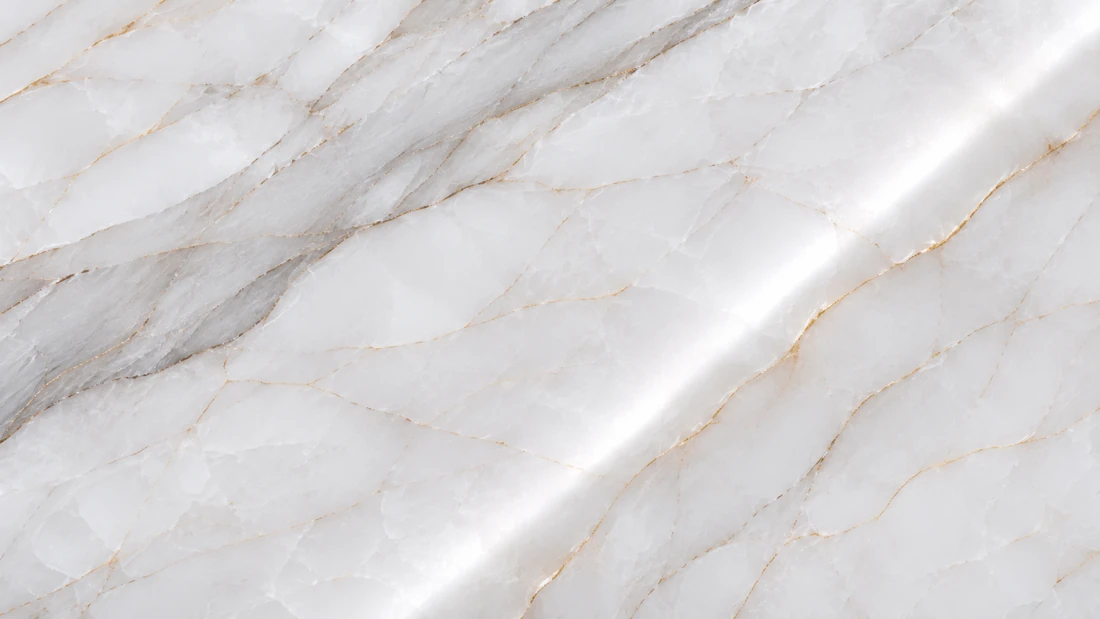
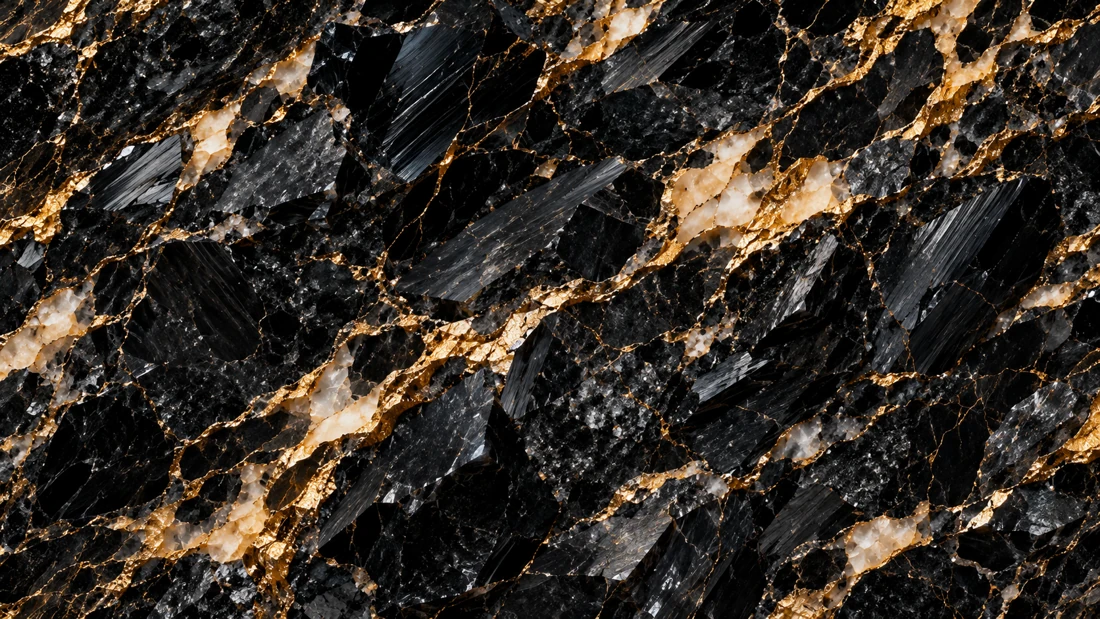
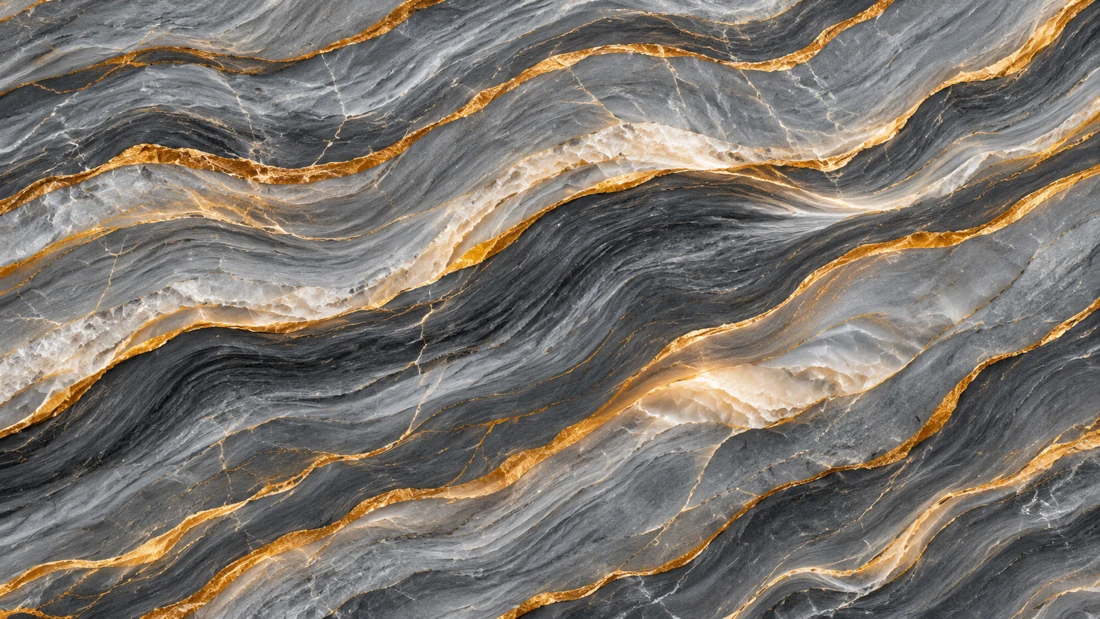
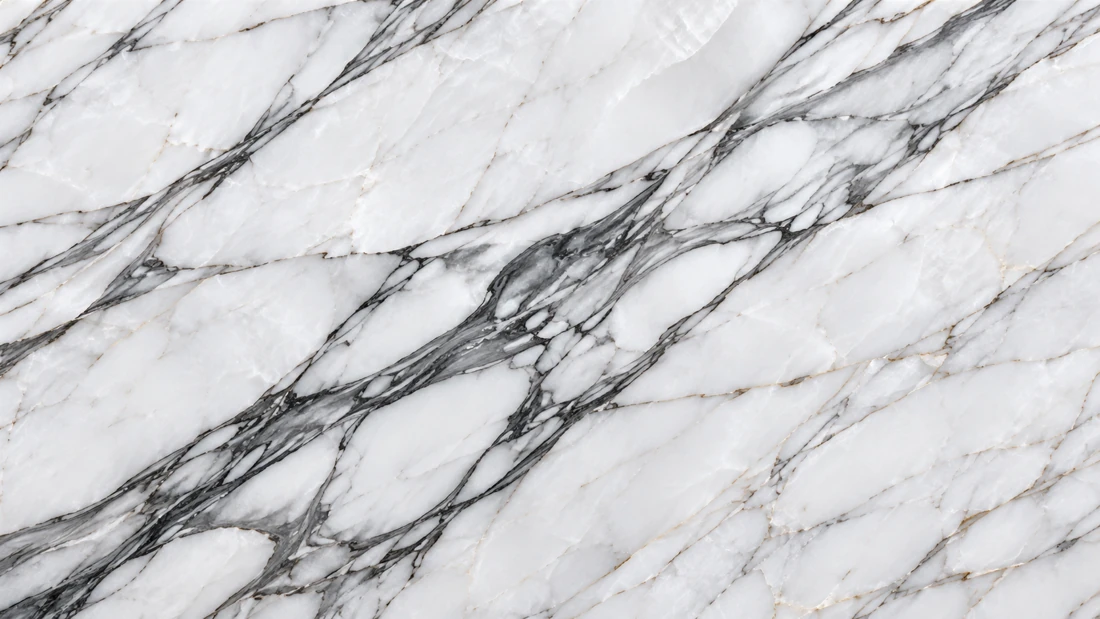
No. Natural marble has individual veining, mineral patterns, and color variations. Even slabs of the same marble type can look different. We recommend reviewing the actual slab before fabrication so you can understand its appearance and discuss your preferred pattern placement.
You can discuss your preferred pattern placement with your fabrication team before the work begins. This is especially useful when a slab has prominent veins or distinctive markings. The final layout depends on the slab dimensions, project measurements, and number of pieces required.
Seams may be necessary when a countertop requires multiple pieces of marble. Their placement depends on the surface layout, slab dimensions, and pattern direction. Planning the layout carefully can help create a more consistent appearance across the finished surface.
Yes. Marble can be used for full-height backsplashes, short backsplashes, and decorative wall sections. You can coordinate the marble with your countertop for a consistent look or choose a contrasting pattern to create a different visual effect.
Consider the slab’s length, width, thickness, color, and vein direction. Large islands may require more than one slab, depending on their dimensions and layout. Reviewing material availability and planning the pattern before fabrication can help you make a more informed decision.
Many marble surfaces benefit from an appropriate penetrating sealer because it can reduce liquid absorption and help limit staining. However, sealing does not make marble completely stain-proof or prevent acid etching. The suitable sealer and maintenance schedule depend on the specific stone and how you use the surface.
Yes. Marble contains calcium carbonate, which reacts with acidic substances. Lemon juice, vinegar, and some household cleaners can cause etching, leaving dull marks on the surface. Use cleaning products specifically recommended for natural stone to help protect your marble.
Staining occurs when a substance penetrates the stone and leaves discoloration. Etching is a chemical reaction that affects the marble’s surface, often creating dull or lighter-looking marks. Since these issues require different treatments, identifying the type of damage is important before arranging repairs.
Yes. Marble can be cut with openings for sinks, faucets, and cooktops according to the approved measurements and appliance specifications. Accurate dimensions and placement help ensure that these openings align with your existing or planned fixtures.
Avoid putting pressure on the damaged area until it has been assessed, particularly if the damage is near an edge, sink opening, or unsupported section. Minor chips may be repairable using professional stone repair methods, while larger cracks need an assessment to determine the appropriate solution.